
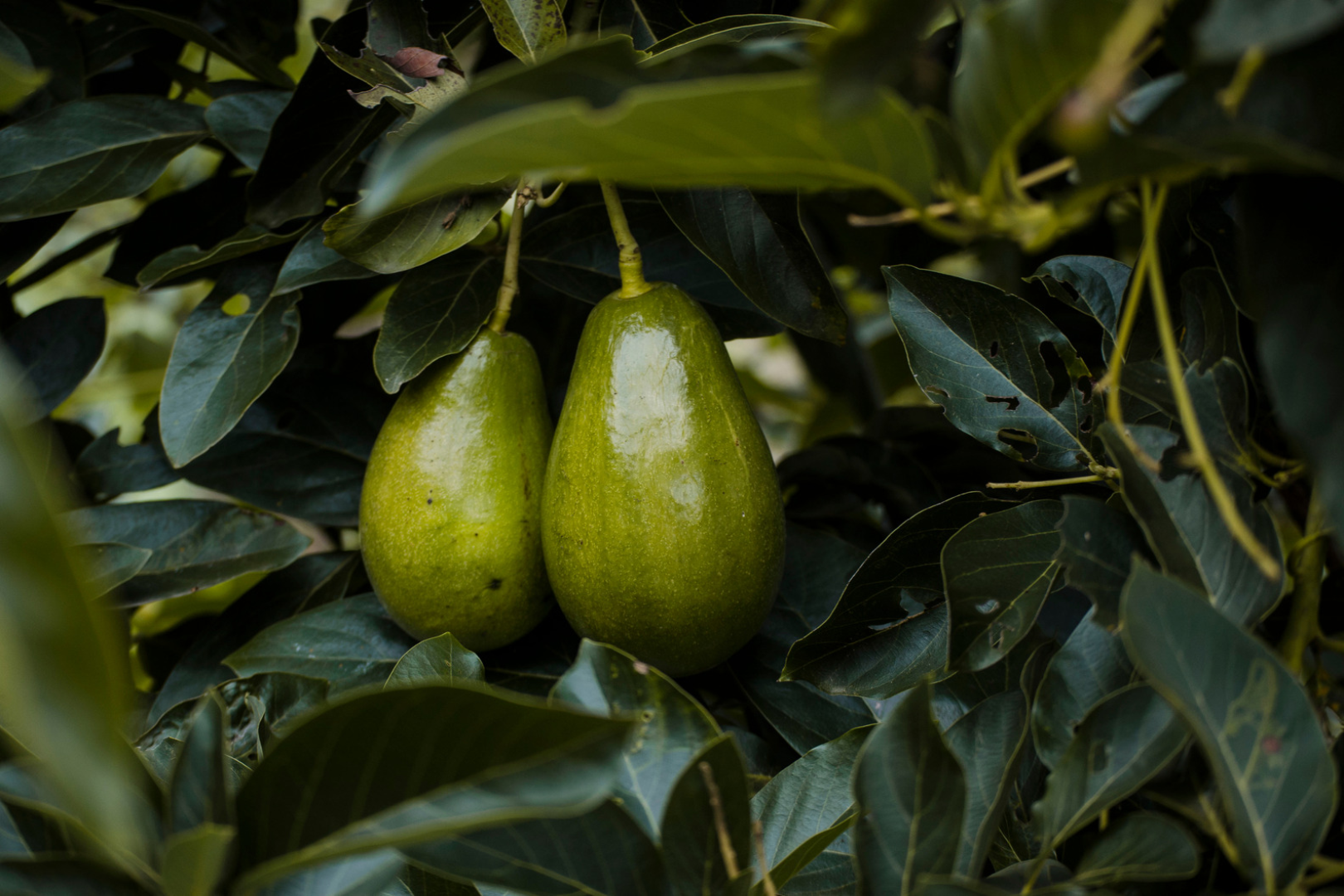
In August, a group of women workers in Peru’s avocado sector opened up to us about their personal struggles. No audit checklist would have prompted that conversation, yet it told us more about the structural causes of human rights risks than any document review could.
Enact were there to carry out fieldwork for a human rights and environmental impact assessment (HREIA). Together with a local expert and our client’s direct supplier, we visited packing houses and farms of several producers.
For many, self-assessment questionnaires (SAQs) and audits remain the main source of information. Yet these rarely capture the root causes of impacts or the lived realities of workers and communities beyond tier 1. That gap is becoming harder to ignore. As expectations on sustainability due diligence grow, companies are increasingly asked to understand not only their direct suppliers, but also the people working further down their supply chains.
Lessons from the field
As in all HREIAs, the work was built on meaningful engagement with rights holders, not on an audit checklist. Our interviews focused on farm and packing workers, complemented by conversations with community representatives, women’s help centres, union representatives and producers’ management. This mix is deliberate. In our impact assessments we map stakeholders before we travel, speak with workers on site in settings where they can talk freely, and work with local experts in the local language. A set of dialogues with rights holder representatives, such as unions and women’s support organisations, allows us to deepen the understanding of the local context and to see patterns across many workplaces. This approach makes room for topics an audit seldom reaches, such as housing and living conditions, or how gender roles in society shape workers’ exposure to risks.
Building this kind of dialogue requires trust. At first, many producers saw our visit as yet another audit. We were not there to pass or fail anyone, but to understand risks together with them, and to recognise that some issues need support across the industry rather than one producer acting alone. Taking the time to explain this collaborative approach changed the quality of the conversations that followed.
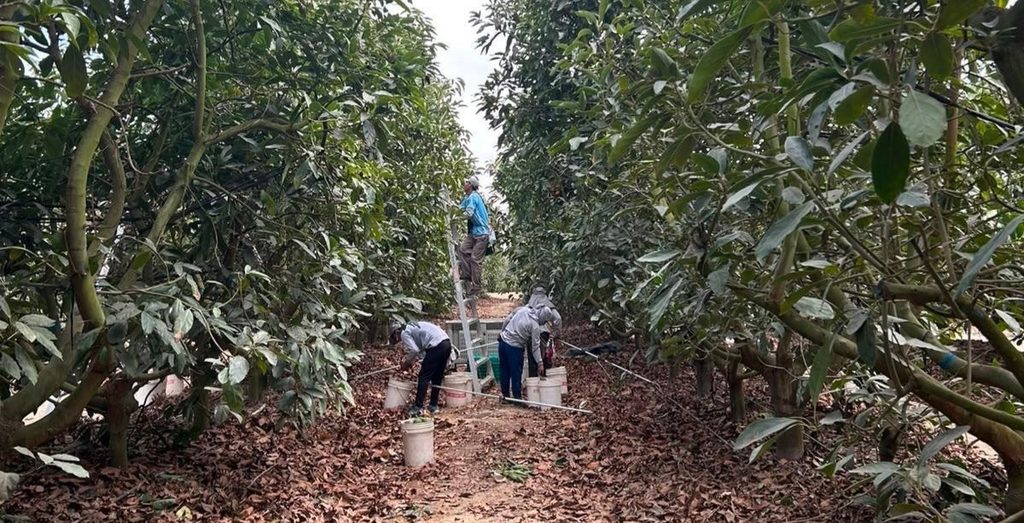
Some realities can also only be understood on the ground: the state of the roads, the heat in the orchards, the physical hardship of the work and the conditions in which workers live. None of this shows up in a certificate.
From shared understanding to joint action
Travelling with our client’s direct supplier proved to be one of the assessment’s greatest strengths. They saw their own suppliers’ operations first-hand and, through those visits, the daily realities of workers. Along the way, we discussed the value of strengthening due diligence in their own business, including how purchasing practices need to include sustainability criteria and dialogues on human rights and environmental risks, as well as how this could potentially be done. This built trust between buyer and supplier**, and** laid the foundation for closer collaboration on sustainability due diligence and on tackling impacts on the ground.
For our client, the assessment brought clarity on risks that had not been identified before and helped reprioritise the most severe impacts to be addressed by producers. A report with our findings will soon be publicly available. Our client and their direct supplier are now developing action plans with individual producers and aim to extend the approach to producers who were not part of the visit.
The right tool for the right risk
HREIAs are most valuable when:
- Potential impacts on people or the environment are severe
- Risks lie beyond your tier 1, where you have little visibility
- Rights holders are particularly vulnerable, such as migrant workers and groups at risk of forced or child labour
- Audits or public reports are not telling you enough
- Your suppliers are willing to adopt a collaborative approach, including putting an action plan into practice
- You have the leverage to act on what you find
- The findings will feed into your human rights due diligence, rather than serve as proof of compliance
At the same time, HREIAs are not the right answer to every identified risk. For many issues, audits, supplier engagement, certifications and SAQs may offer a more proportionate response. Effective due diligence combines these tools and reserves in-depth assessments for the risks that matter most.
Is an HREIA right for you? We are happy to help you work out whether an HREIA is the right tool for your supply chain, or whether another approach would serve you better. Read more about our human rights services or get in touch with us to talk it through.

Anamaria Vargas
Anamaria is a Senior Advisor at Enact with experience in sustainability strategy, reporting, human rights impact assessments and the implementation of EU regulation such as the CSRD. She has supported impact assessments in the Americas, from planning to field visits and engagement with workers and community representatives, and has previously worked with the UN Global Compact in Colombia.