
A growing body of research is shedding light on the human rights dimensions of the energy transition. Publications from the Business & Human Rights Resource Centre highlight developments ranging from litigation linked to clean energy projects and risks associated with transition minerals, to concerns raised by migrant workers, Indigenous Peoples and local communities affected by transition-related activities.
The topics differ. The geographies differ. Yet together they point to a broader trend: increasing scrutiny of how companies manage impacts connected to the energy transition.
These developments also highlight how closely climate ambitions, sourcing decisions, stakeholder engagement and due diligence are connected in practice. Decisions about where materials are sourced, how projects are developed, and whose perspectives are considered can have significant implications for workers, communities and other rights-holders.
One analysis identified 95 legal cases brought by rights-holders in relation to projects linked to the shift towards clean energy. The cases span multiple jurisdictions and involve a wide range of issues, including land rights, community consultation, labour conditions and environmental impacts. Other publications highlight concerns linked to transition mineral supply chains, where growing demand for critical materials is creating pressure on sourcing practices, local communities and labour conditions.
The experiences of workers are also receiving increasing attention. Testimony from migrant workers involved in renewable energy projects in Saudi Arabia points to allegations of poor working conditions and recruitment-related risks. At the same time, analysis of climate strategies in the fashion sector suggests that workers are often largely absent from corporate transition planning, despite being directly affected by the changes taking place.
Taken together, these publications suggest that expectations are evolving.
The discussion is no longer limited to whether companies are contributing to climate goals. Increasingly, stakeholders are also asking how decisions are made, whose voices are heard, and how impacts on people are identified and addressed in practice.
For companies, this is not a new discussion. Frameworks such as the UN Guiding Principles on Business and Human Rights and the OECD Guidelines for Multinational Enterprises have long emphasised the importance of understanding and addressing impacts on people in connection with business activities and relationships.
What appears to be changing is the growing body of evidence, cases and lived experiences that are bringing these questions into sharper focus. Litigation, worker testimony, community complaints and independent research are providing increasingly concrete examples of where challenges arise and what they look like in practice.
For companies, the message is not necessarily that expectations are new. Rather, there is now a growing body of evidence showing how these issues emerge in practice, and increasing scrutiny of how they are managed.
If you would like to discuss how your organisation approaches sourcing strategies, stakeholder engagement and due diligence in the context of the energy transition, please feel free to reach out to us.
Additional reading:
→ Exploring Shared Prosperity: Indigenous Leadership and Partnerships for a Just Transition
→ UN Climate Change, Guidelines and policy frameworks for just transition of the workforce and the creation of decent work and quality jobs
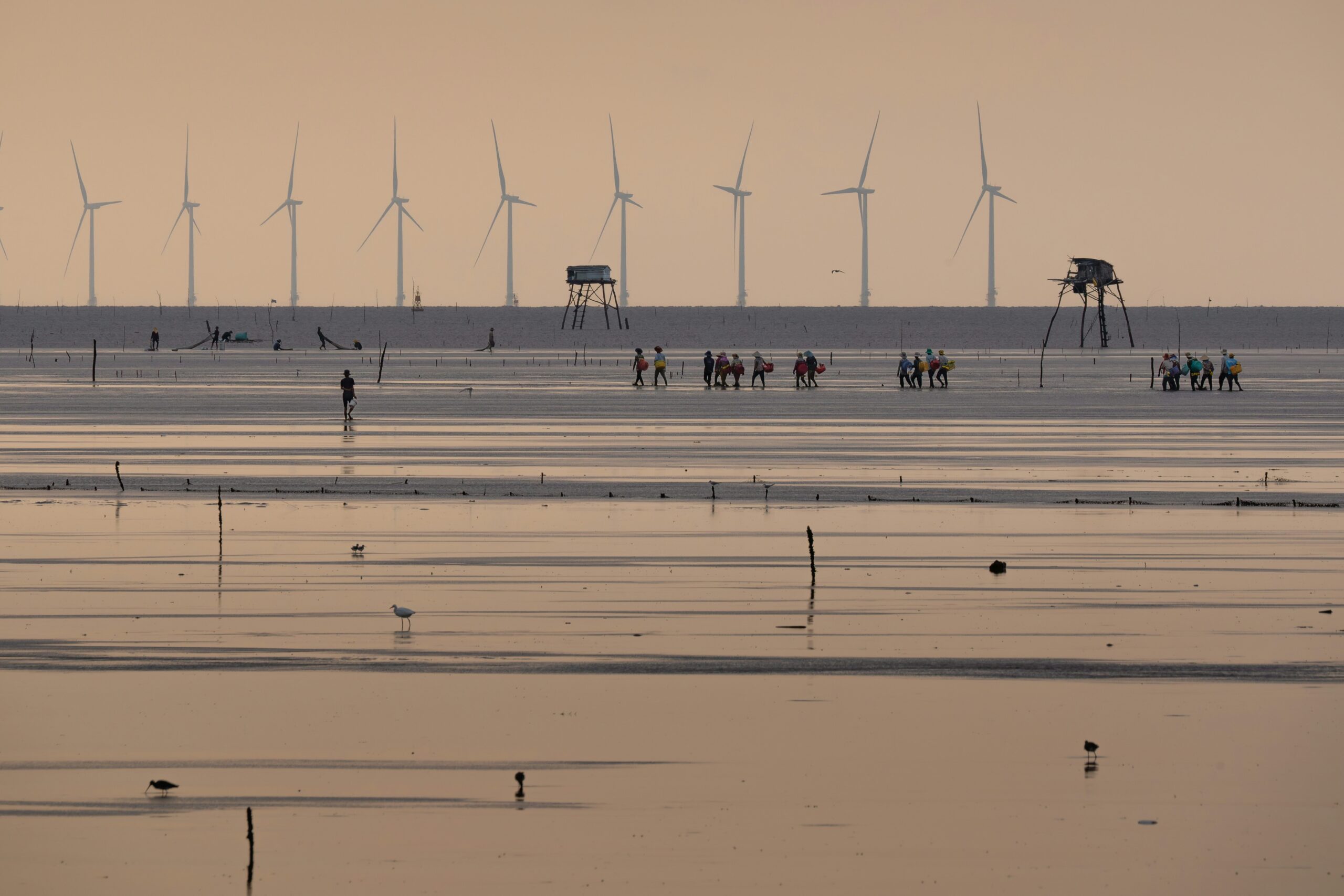
Photo by Thompson Le on Unsplash